

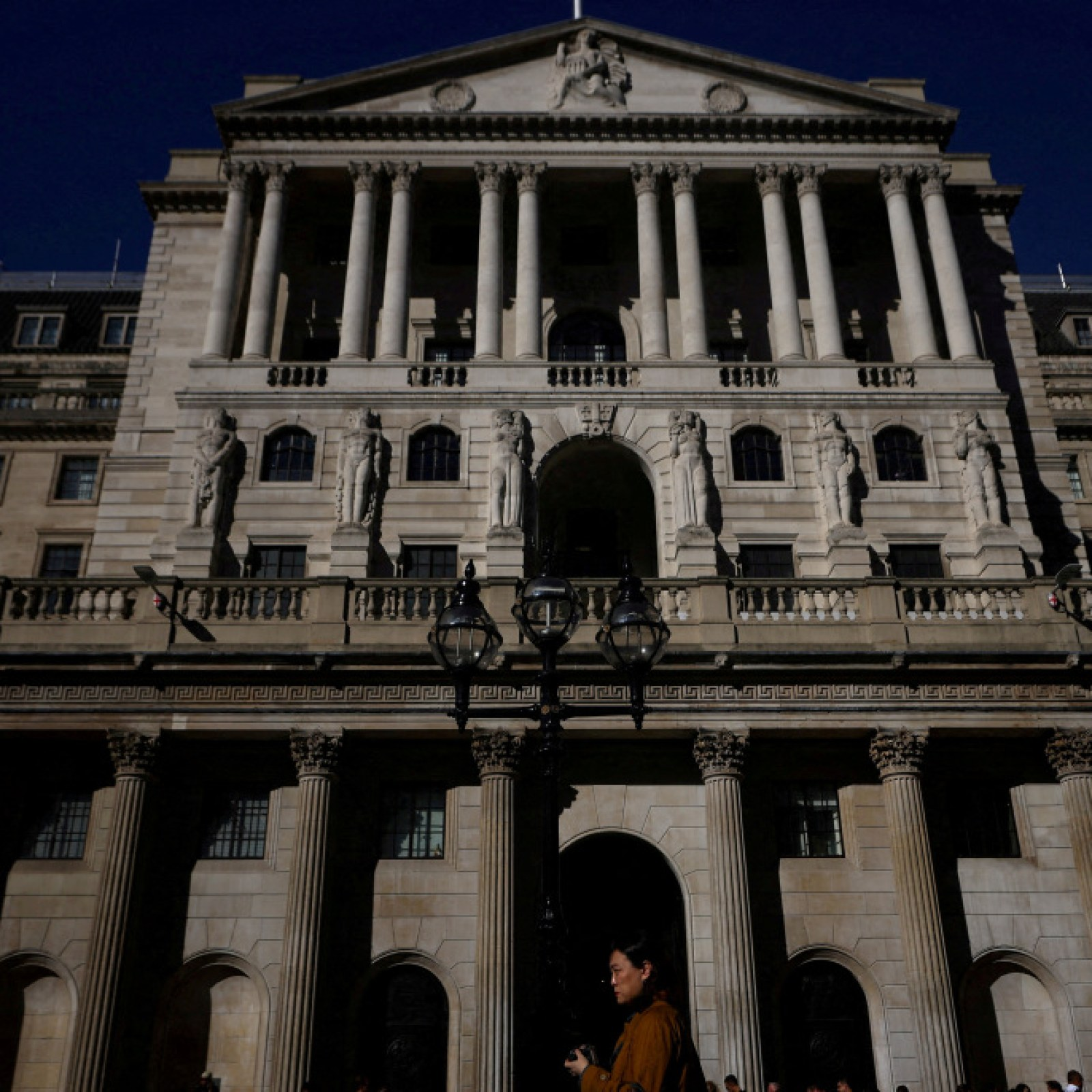
On the 3rd of November, the Bank of England raised its benchmark interest rates by 3% as widely expected. Since late 2008 when the quantitative easing became a norm, this is the highest level of the base rate.
BoE, however, signalled that the future increases may not be as significant as the markets expect. This message was in contrast to what the US Federal Reserve chair Jay Powell had delivered: the terminal interest rate may be higher than the markets expect.
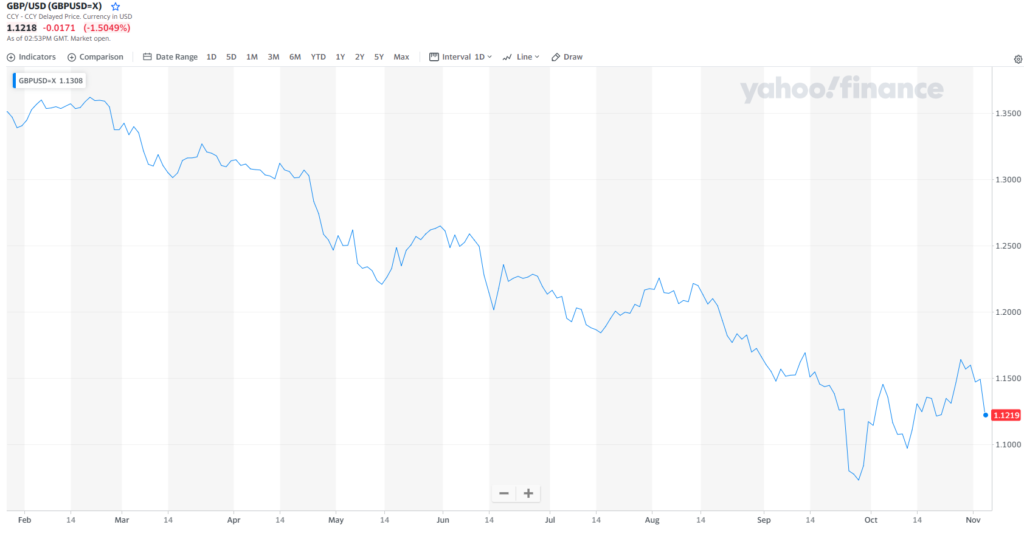
As a result, as we expected, the pound fell against the trading at 1.1218 at the time of writing.
“We can make no promises about future interest rates,” said BoE governor Andrew Bailey. “But based on where we stand today, we think will have to go up by less than currently priced into financial markets. That is important because, for instance, it means that the rates on new fixed-term mortgages should not need to rise as they have done.”
BoE further laid out two economic scenarios: one with the interest to rise to 5.25% leading to eight quarters of recession and 0% inflation. The second scenario was based on 3% interest rate with the inflation declining to 2% by 2025.
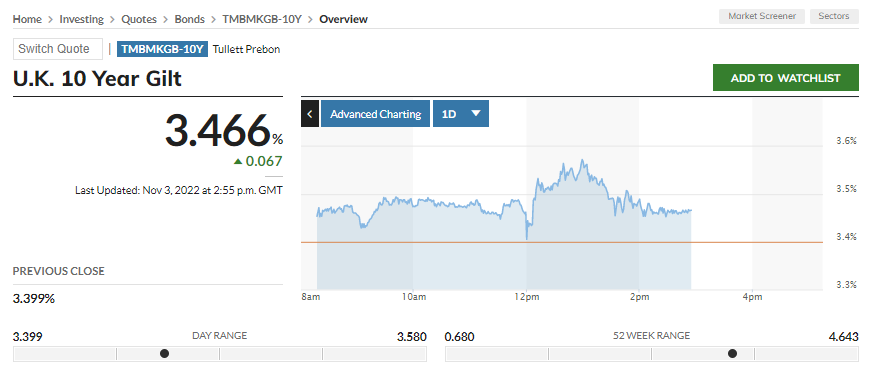
The 10 year gilt yields were up insignificantly, reflecting that the markets still expect higher interest rate rises.
Relatively dovish BoE comments may indicate worse than perceived state of the economy and the housing market, as although the rate increase was significant, the comments were apparently directed to support the confidence in asset prices.
Whether the asset prices, including the significantly overpriced housing market can be buoyed by the comments, remains to be seen. However, even if the base rate was not to rise higher then 3%, the level of leverage in the housing market is so significant that we still expect noticeable adjustment in the housing prices.


