

Real estate agents are commonly offering “free valuations” to the sellers of the properties. What are the caveats of using the estate agent’s valuation? Let’s find it out.
Practice of valuation
First, let’s briefly discuss what the valuation should look like.
Valuation is the process of determining the fair value of an asset or a liability. Fair value is defined as the price to exchange the asset or the liability that informed and willing-to-transact market participants are ready to pay at a given time.
The breadth of the definition may allow certain room for interpretation. However, the key premise of fair value is the existence of the buyer and seller, who are informed, willing and not under pressure to transact.
The condition of being informed requires the professional valuer to consider all material known and knowable information at the valuation date, including information about the asset, the market for the asset, and the financial markets.
Technically, to achieve reliable valuation outcomes, the valuer selects a methodology that is appropriate to the circumstances and considers a complete set of material inputs and assumptions.
Choose the right approach
For real estate valuations, the valuers would typically utilise 3 approaches of valuation and combine the outcomes with varying weights to provide the final result. Those three approaches are the cost approach, income approach and market approach.
In the transactional context, the approaches of most relevance are the market and income approaches. They allow using a set of comparable transactional data as well as estimating the incomes from the property in an investment scenario to provide a fair value estimate.
Both approaches, however, have pitfalls in their application. For example, it is not appropriate to use unadjusted past transactional data for property valuation in case the market conditions have materially changed.
Either the data should be adjusted, or, in case no sufficient information is available, an alternative approach should be used.
Don’t take the agent’s valuations as granted
This is where the valuations provided by agents become subject to scepticism and there are two fundamental reasons for that:
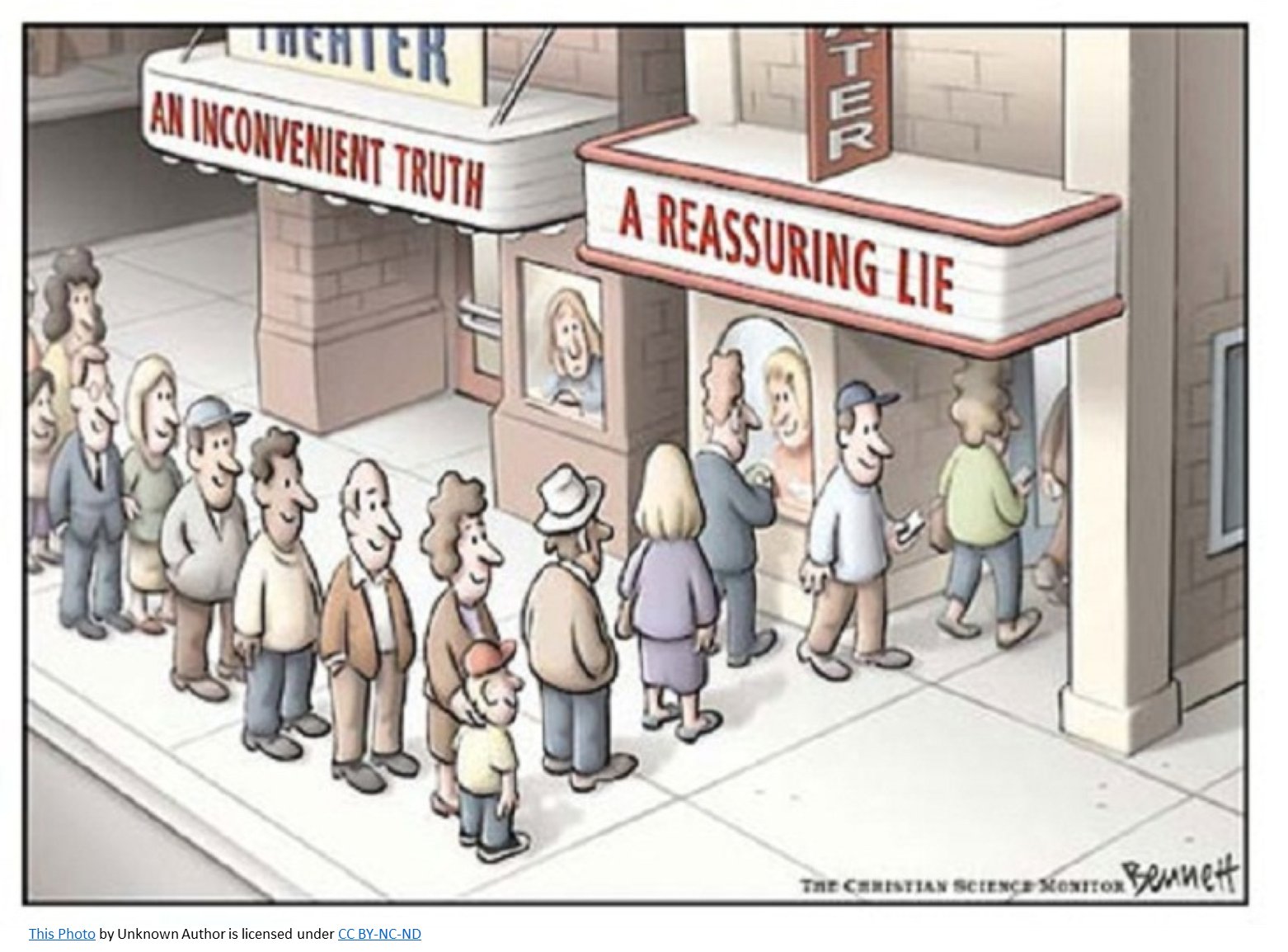
- The agents are generally biased in their valuation. Our discussions with agents show that they use valuation as a means to attract the seller. The higher they say the property is worth, the more likely the seller will choose the agent to market it. With over 40 estate agents in Jersey, the sellers have the option to shop around to find an agent with a better “valuation”.
- The agent’s “valuations” are very high level as a rule, and as such do not consider even a fraction of the required information to result in a fair value. The material known and knowable information is not being considered and in the recent cases we have met, the information about the rising interest rate environment is in many cases just ignored.
The fastest route for the agents to get a number with some credibility attached is looking at the “comparable” transactions. To do this, the agents typically look at past sales for a certain period of time. In Jersey, they typically look at the data provided by property sales websites. However, the use of less reliable data, such as offer prices of not completed sales or the listing prices is not rare.
Using recent precedent transactions is not appropriate in the current market
As mentioned, the real estate agents in Jersey look at the recent property market transactions to come up with a valuation. The period looked at could be anything from one month to a year or more. But is it appropriate in this environment?
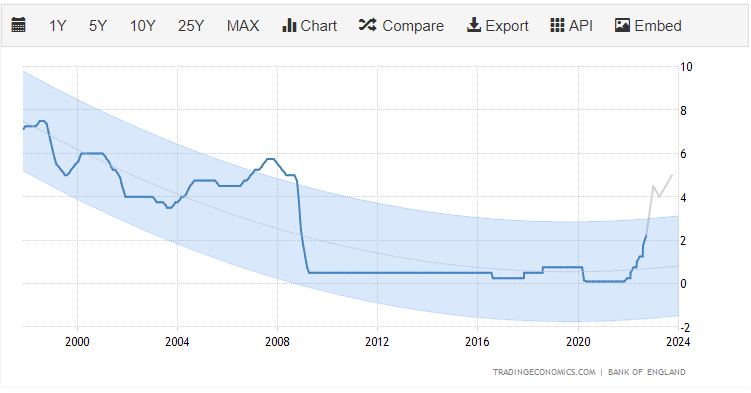
Considering the sales of the recent year have been taking place in a historically low-interest rate environment, and that in the recent month the interest rates have more than tripled, the answer is NO – it is not appropriate.
The use of asking prices can result in overvaluation
Some sellers and their agents tend to think that the asking prices are reflective of the fair value. On a number of properties we have monitored and would categorise as “overpriced”, however, the asking prices during the last month have declined by around 10%. Further declines are expected during the negotiation, resulting in potentially a large discount on the asking prices. As such, we do not consider it appropriate to attach significant weighting to the asking prices in the current environment.
How sensitive are the valuations to interest rate inputs?
The interest rates are material and sensitive input in valuations, including real estate valuations. As an example, at the property yield of 4%, a 1% rise in the rate would cause a 20% of property price decline.
Interest rates are still rising and are expected to stay elevated. To note, the BoE base rate has gone up by 2.15% during 2022 and is expected to rise by another 3% during 2023. In fact, before the 2008 crisis, the interest rates were significantly higher and the low-interest environment had become a norm only to provide continued stimulation to the markets. With inflation now threatening economic and political stability in larger and more advanced economies, the declared monetary policy is aimed at containing the demand to reach a sustainable balance and to reduce the inflation to the target rate, generally being 2%.
Beware biased valuations
Both sellers and buyers should beware of biased “valuations”.
Although it may be appealing for a seller to get a higher estimate for the property they have, in the current environment, when there is growing downward pressure on prices, marketing time for an overpriced property may be extremely long. During that time the overall market sentiment and pricing may turn against the seller and eventually a lower price may be achieved than the fair value at the time of valuation.
As to the buyers, recognizing that the current valuations are in many cases results of flawed processes and biases is of growing importance.
The buyers should apply prudence when viewing or negotiating for a property with the view to discount the price to an acceptable level, closer to the fair value of the property.


Excellent article, I have been pondering about this for quite a while.
I think Estate Agents should be held accountable for their valuations.
The majority of them are driving inflated priced with valuations that are questionable (as you correctly pointed out).
What is more frustrating is that they get very defensive when you question their evaluation. One typical excuse is that “the seller thinks they can get this amount”. So where do Estate Agents add value as professionals? If the seller does the price, Estate Agents they merely open doors for viewings!
And I assume it must be frustrating from a seller point of view see significant “adjustments” (I witnessed 15% changes from the initial asking) and hear that “market conditions have changed since the valuation”. Most of the time what has changed is that the agents got you hooked inflating your evaluation then “blame” the market.
It is incredible that the category is not properly regulated.